

My husband and I are attending a disability conference this weekend, where we are speaking on a panel about being in an inter-abled relationship. We have done this a few times over the years, and every time it prompts deep reflection.
It’s possible that this is my brain’s way of distracting myself from public speaking, which has always been something I’ve found excruciating as a highly sensitive person. But I think that this reflective state largely happens because of the complexity of disability and relationships.
Every child growing up learns about the world from what they witness. We learn about love from the people around us, the characters in our favourite books, or the friends who unexpectedly fall in love on the big screen. Stories of love, intimacy, and happily ever afters rarely include disability, and so it’s unsurprising that my desires, expectations, and perceptions of intimacy and relationships have fluctuated over the years.
It started with carefree, childhood wonder.
I remember having a wholesome idea of love. My parents were happily married, as were most of my aunts, uncles, and extended family. This privilege created rose-tinted glasses that was reinforced even further by childhood fairytales, the iconic duo of Barbie and Ken, and the Disney channel families living the ‘dream’ in a home surrounded by white-picket fences.
The script was about two parents who fell in love, got married, and had babies.
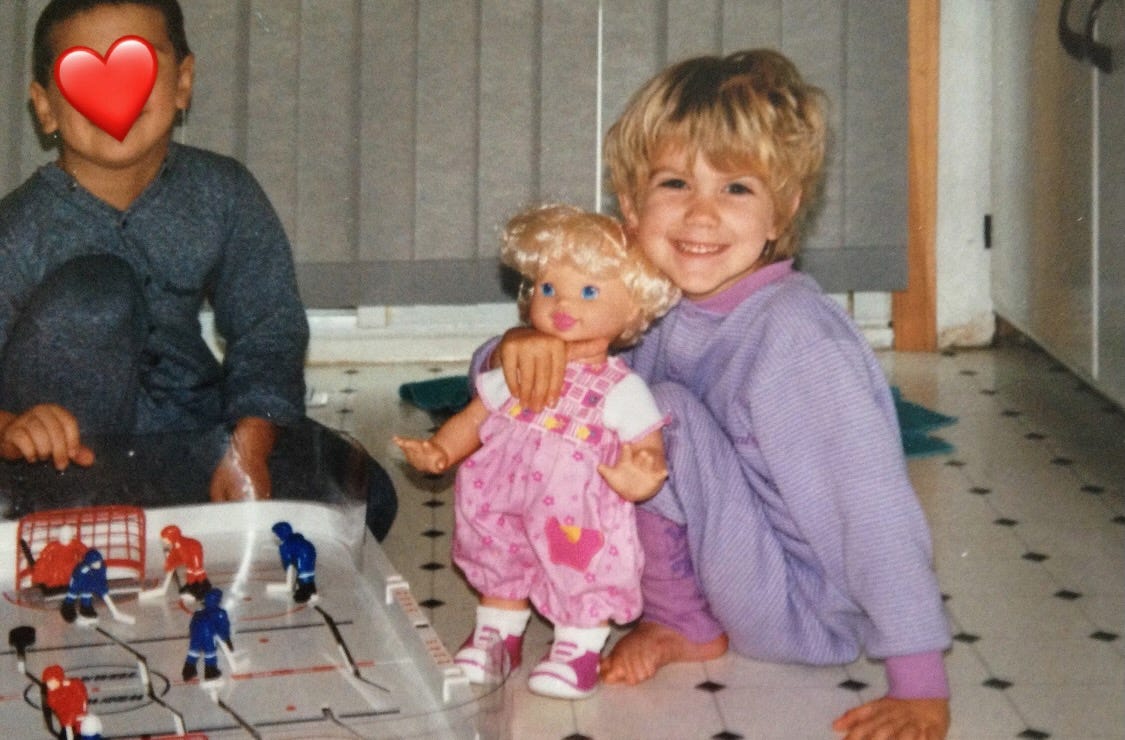
I didn’t just read the script, I loved the script. My days were spent playing house with my dolls — acting out falling in love, building a home, and raising a family. As a psychotherapist who works with parents and families, I know that play is the way that kids understand and process the world around them. I tell clients that if you’re curious what your child is experiencing, watch their play and you’ll learn a lot. So when I think back to the hours I spent creating imaginary love stories, they were marked by seeing relationships with optimism and desire.
As I got older and recognized my disability, I had questions about love.
I was moving through my preteen and teen years with awkward uncertainty, as most kids do. My brain developed more complex thinking skills, like being able to see things from others’ points of view, and I started to understand that my disability made me different.
I noticed the stares from people on the sidewalk, the bus driver who called me “wheelchair” instead of my name, and the vocal pitch changes of strangers in the grocery store as they “prayed for my healing.” I dismissed many of these interactions as simple ignorance; they didn’t know me. But when my peers who previously acted neutrally towards my disability started to treat me differently, I learned that things may be more complicated than I thought.
This season of my life was full of questions about my future, especially in terms of relationships. If my disability is already making friendships hard, what is dating going to look like? Would I be able to have a relationship as a disabled person? Would someone fall in love with me?
My parents would listen to my woes and confidently tell me love would happen for me, but just like most teenagers, they were my parents so they have to say that. The truth was, my small town had me swimming in doubt, and the content I was consuming wasn’t very helpful either. I barely saw anyone with a disability in books, TV, or movies, let alone in a relationship.
It made me wonder: is having an intimate relationship as a disabled person even possible?
I absorbed so many messages from society around who is worthy of love. An absence of disabled love stories implies that disabled people cannot, do not, and should not have love stories. I soaked up these messages and they burned into my beliefs. For a long time, I subconsciously distanced myself from wanting a relationship. I convinced myself: I am down with never falling in love. It’s alright if that doesn’t happen. My heart isn’t set on it, I’ll just get a bunch of cats.
While the latter is true (and still something I aspire to do), I can look back and see through this façade. It served as a form of self-protection. Brené Brown’s idea of foreboding joy is the only way I can think to describe this: the idea that if you don’t hope for something so that you aren’t disappointed if it never comes to be. For me, that meant closing myself off from even the desire to love, in an attempt to prevent the pain of heartbreak.
But there is a cost to this kind of avoidance, and it’s high. Living inauthentically creates its own kind of pain.
I found hope when I saw other disabled people living their love stories.
When I was 16 years old, sitting at the kitchen table, my mom brought in the mail and opened a package from my cousin. Inside was a magazine article that featured a woman named Stacy Wiparina from Ohio, who lived with my disability, and was married with two beautiful kids. My cousin wrote something along the lines of “I think Brooklyn needs to see this.” And I really did.
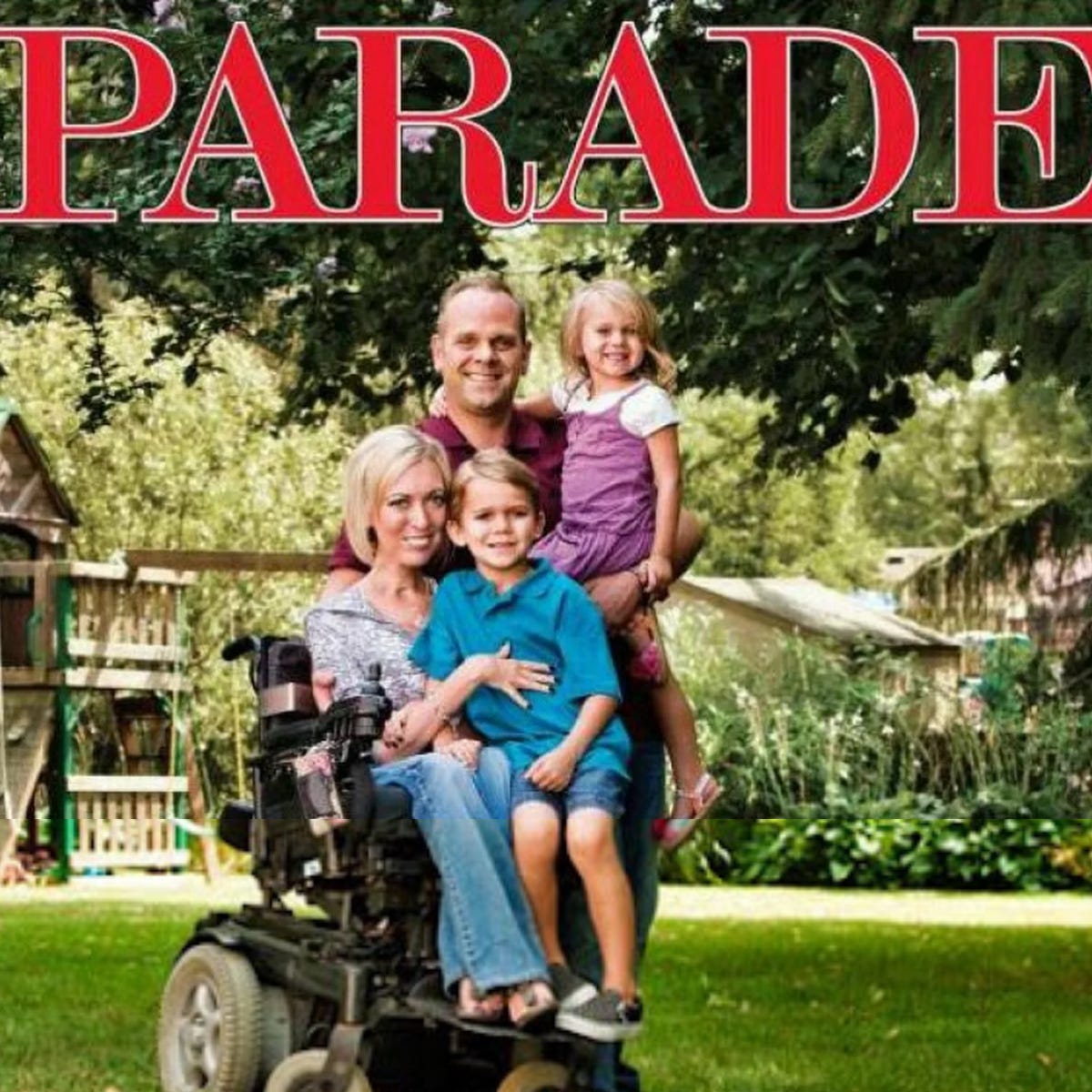
This was the first time that I had ever seen someone who looked like me living the future I hoped for. Even if this prospect felt rare and out of reach, this was evidence that it was possible. Stacy’s story was an anchor of hope I held onto.
A couple years later, I was welcomed into a new world of adults with disabilities. I joined a couple of Facebook groups of adults living with neuromuscular disabilities. Initially, I joined to learn about living on my own for university, but what I didn’t know is that one group would change my life forever.
I met thousands of adults with disabilities not only surviving, but thriving in their lives. They went to school, bought homes, and lived on their own. They hired caregivers and managed fulfilling careers. They were dating, married, and everything in between. They had families. I even met Stacy in one of the groups, and got to tell her how much her story meant to me as a teenager. It felt full-circle.
The landscape of what my future could hold exploded when I met disabled people living this reality. My hopes were no longer just some idea, they were a possibility.
This “coming of age” led to my own disabled love story.
Dismantling beliefs that have been built over decades doesn’t happen overnight. While these Facebook groups helped me navigate practical life decisions, like getting a g-tube to help with nutrition or applying for funding to manage my own care attendants, there was deeper learning happening.
I spent hours and hours reading through threads and forums, old and new. I soaked up every story and perspective I could about disability culture, models of thinking, internalized ableism, and the power of community. I learned so much about my past and how it led me to my present.
As I grew more confident in myself and my own personal growth, I started online dating. This was an adventure that was not easy and, as any woman who has done it knows, it was often gross. But it was the most accessible way for me to show up with intention. After years of trying every platform out there, making a few friends, and encountering lots of dead ends, I decided to take a break. And that’s when something special happened.
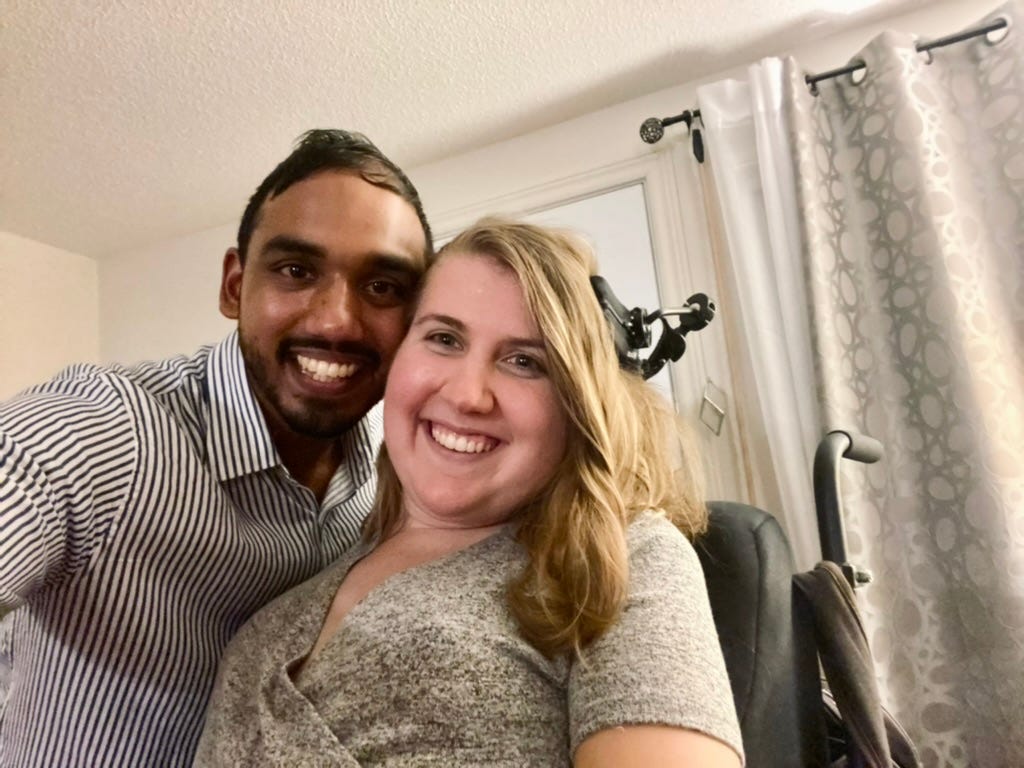
I reactivated my Hinge account to show a friend of mine how to use the app and I got a message from the most handsome Brown boy from a nearby city. We weren’t in each other’s geographical radius, but somehow we matched. Both on the app, and as two people. Our conversations were natural and our dates were fun. We wanted the same things and we understood each other.
This was 5 years ago, and — spoilers — last month we got married. I had always hated when people would say things like ‘love will find you when you are not looking for it.’ But alas, this ended up being my truth. And I’m pretty thrilled about it.
When I think about it, the most extraordinary part of our relationship is that it has flourished not despite my disability, but with it. We often reminisce on our favourite memories together as a couple, and many of them are moments where love and disability intertwine.
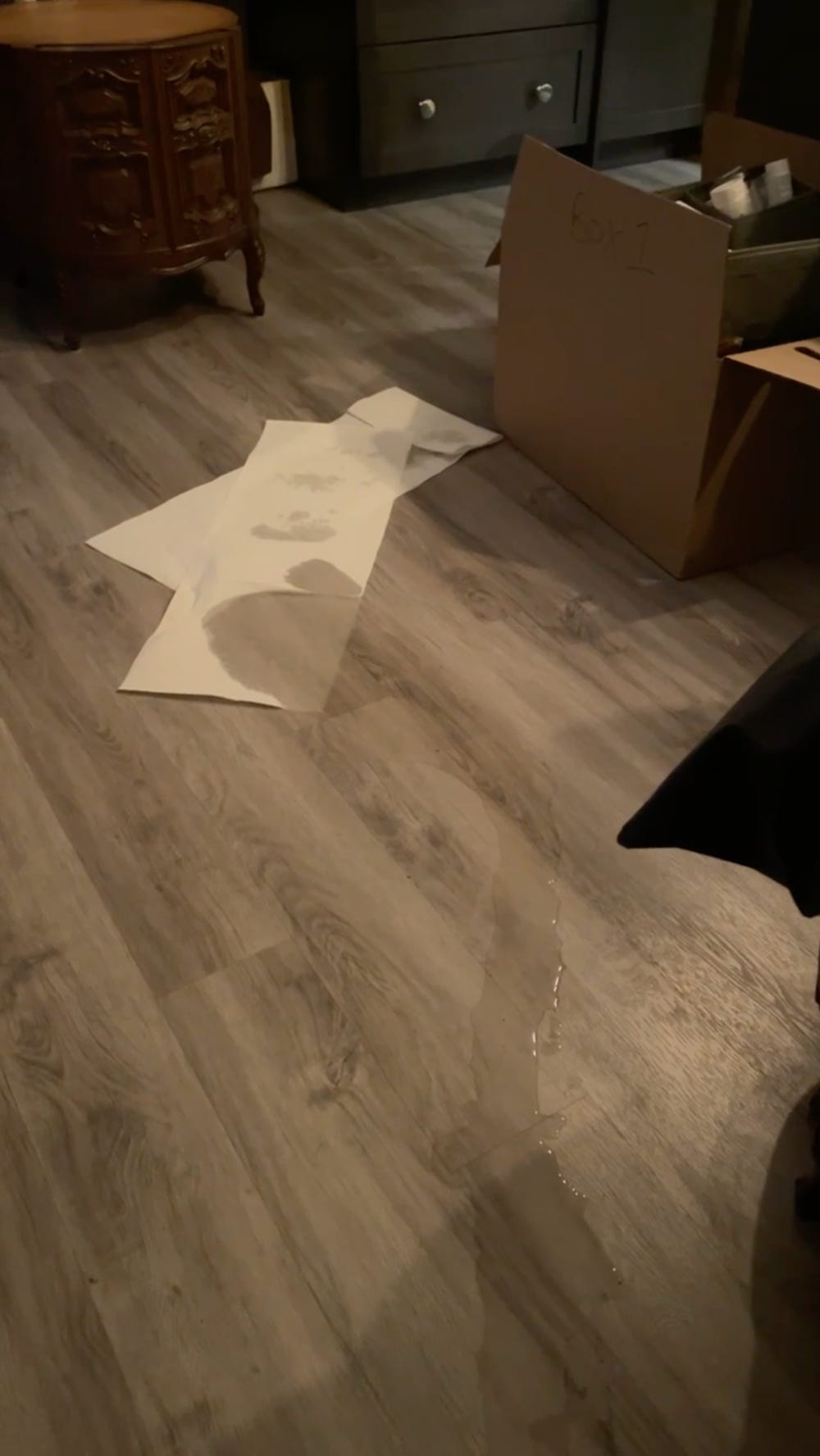
Like on our second date, when Trevor had to wipe ice cream out of my hair because the summer wind was a bit too wild. I was embarrassed, but he thought picking mint chocolate chips out of my hair was endearing. Or on the first night we moved in together, when my catheter bag got caught on his moving boxes and I left a trail of urine on our apartment floor. This could have been mortifying, but we found ourselves laughing so hard. I had been so excited that I peed on the floor!
I watched society weave an ugly tapestry about disability and love my entire life, but it started to unravel fast when faced with our relationship. Every time we solved problems as equal partners, it was a reminder that I wasn’t a burden, in the same way he wasn’t a saint. Every time my disability didn’t scare him away, it proved society wrong for ever making me think it should.
Inter-abled relationships are made of the same foundations.
The night before the panel, as we were getting ready to fall asleep, Trevor and I talked about what we wanted to focus on. We talked about what people might want to know and I felt an internal pressure to shed light on how to make an inter-abled relationship work.
I remember the deep dives I used to take on disability forums to find what the ‘secret’ was. It’s true that stories of other disabled folks were invaluable in my learning. AND, it’s also true that disabled relationships are both exceptional and unexceptional at the same time.
There’s nuance here. Every relationship faces trials and tribulations. Yes, relationships can face more challenges when disability is involved. But while these challenges may be different, the solutions are the same: communication, openness, problem solving, intimacy, compassion.
For us, disability and any of the challenges that it came with has only made us communicate better and get more creative. There is intimacy, sometimes forced but always chosen. There is more intention, more compassion, and more openness. These qualities are not unique to inter-abled relationships; they are the foundation of any healthy relationship.
I’m not sure if this is what the audience wants to hear, but I know it’s what my younger self needed to hear. And I know it’s what my present self is always needing reminding of. The messages we learn from society throughout our life run deep. So I’ll keep giving myself time and grace to continue unpacking these parts of me, and write about my experience in the hopes others may find parts of themselves in this, too.